Place-led starting points
Hertfordshire towns
Connect a familiar town name to parish jurisdictions, records, repositories and boundary cautions.
Structured for place, source and repository research. Factual links checked .
How to use this section
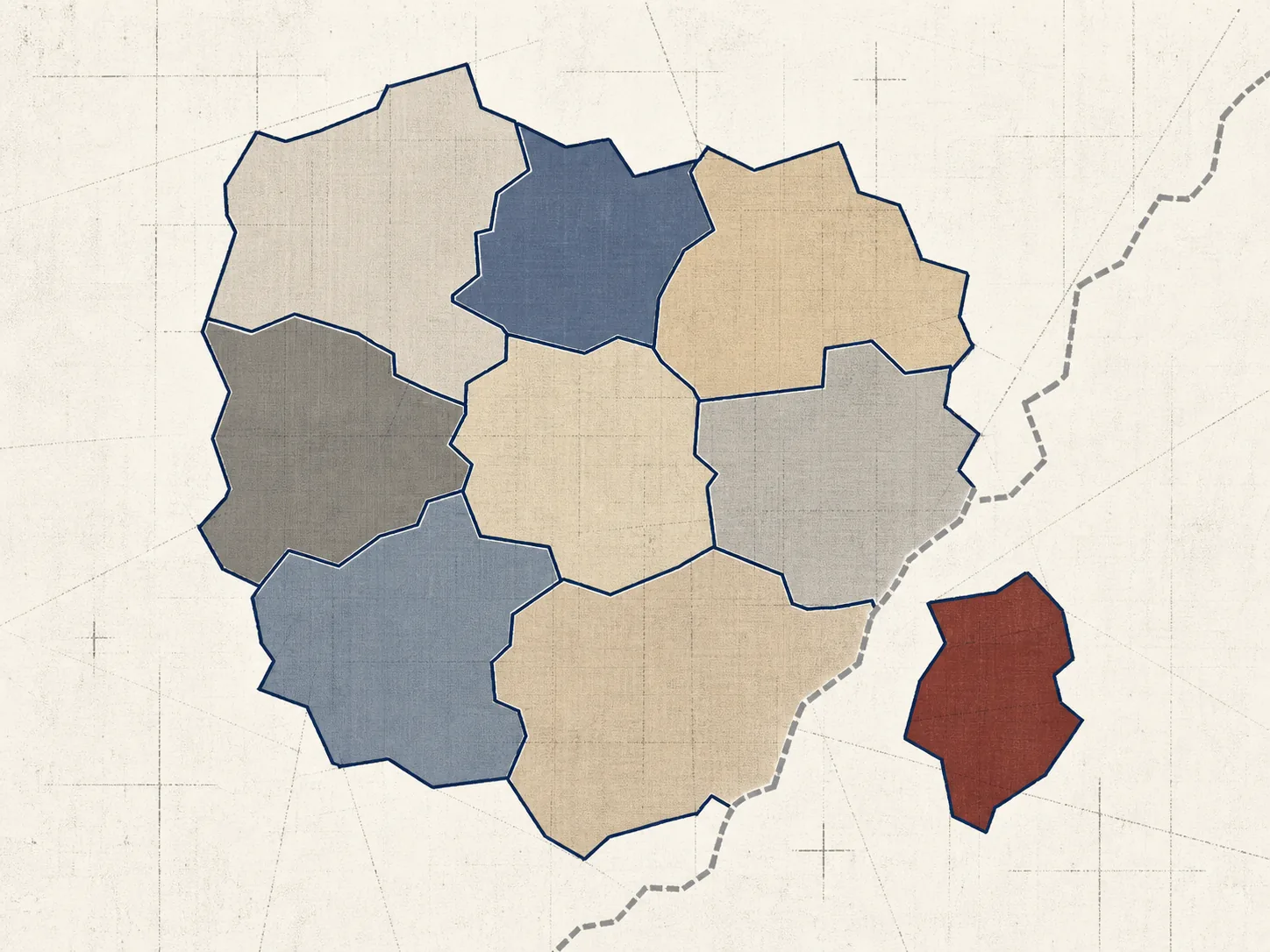
Historic groupings help explain old references, but they are not modern districts and do not by themselves determine present custody. Use them as a bridge to parish and archive catalogues.
Throughout the section, indexes are treated as finding aids. The fullest available image, certificate or original source should be checked before a claim is accepted.
Directory
15 entries
Every entry has a stable URL, a visible source block and a verification date.
- St Albans4 linked parish guides
- Hertford2 linked parish guides
- Watford1 linked parish guides
- Hitchin1 linked parish guides
- Ware1 linked parish guides
- Bishop's Stortford1 linked parish guides
- Hemel Hempstead1 linked parish guides
- Stevenage1 linked parish guides
- Cheshunt1 linked parish guides
- Barnet2 linked parish guides
- Royston1 linked parish guides
- Berkhamsted2 linked parish guides
- Tring1 linked parish guides
- Harpenden1 linked parish guides
- Welwyn1 linked parish guides
Coverage note: this directory describes sources and access routes. It does not assert that every series survives, is digitised, or contains a particular person.
A town name is the beginning of a place search
Town pages connect a familiar modern label with relevant parish guides, but they do not claim that one parish covered the whole settlement at every date. Before searching for a record, write down the place exactly as it appears in the evidence and identify the jurisdiction that created the source: ecclesiastical parish, civil registration district, poor-law union, probate court or another body.
Boundary changes around Barnet, Potters Bar and Kensworth make this distinction especially important. A modern county search can miss material held in London or Bedfordshire, while an online index can merge nearby jurisdictions. Use the linked archive and record-type guides to build a dated search sequence, and keep unsuccessful catalogue queries in the research log.
Sources for this page
Links and stated coverage checked . A coverage date is not evidence of complete survival.